

In recent years, freeze-dried birch sap has gained remarkable popularity under the label of a “superfood,” boasting claims ranging from skin beautification and antioxidant benefits to immune system enhancement. Across social media platforms and e-commerce product pages, it is often marketed as the “liquid gold” from Nordic forests. Yet, behind this glossy promotional facade, how much is substantiated by solid science? This article provides a rational analysis of the true value behind this trending wellness product.
 The Natural Source: Understanding Birch Sap’s Nutritional Profile
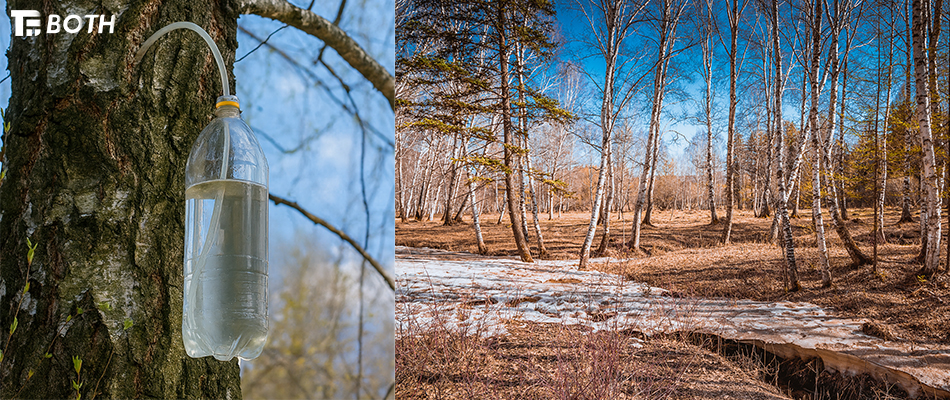
Birch sap is a natural exudate harvested primarily from silver birch trees in early spring. Its nutritional composition includes minerals such as potassium, calcium, and magnesium, alongside amino acids, polysaccharides, and phenolic compounds known for their antioxidant capacity. While these components are undoubtedly beneficial to health, they are by no means unique to birch sap. Common and more accessible natural beverages like coconut water or even a balanced intake of fruits and vegetables offer comparable nutritional profiles.
Technology in Focus: The Role and Limits of Freeze-Drying
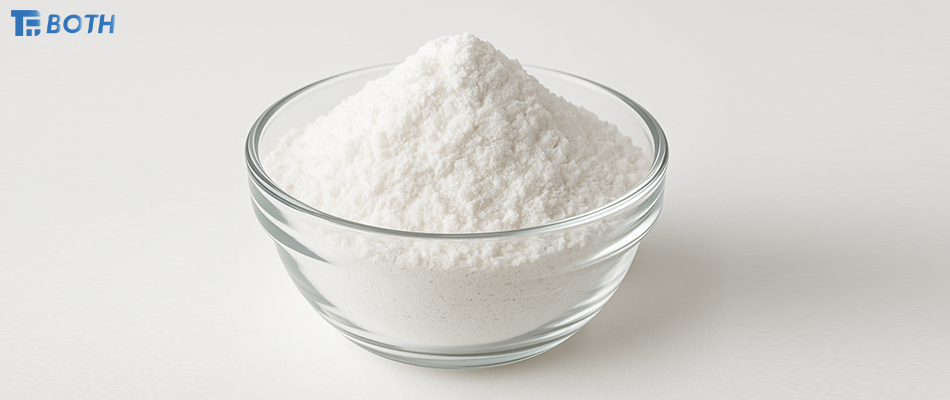
Freeze-drying technology employs low-temperature dehydration to effectively preserve the heat-sensitive components in birch sap, such as vitamins and antioxidants. Equipment such as our HFD series and PFD series freeze dryers exemplify this process. This represents a key advantage over traditional high-temperature drying methods. However, it is crucial to clarify that freeze-drying serves as a means of “preserving” nutrients rather than “enhancing” them. The final product quality is equally dependent on factors such as the purity of the extraction process and whether any additional ingredients have been introduced.
However, a critical distinction must be made: freeze-drying is primarily a superior preservation technique, not a method to enhance or create nutritional value. The ultimate quality of the final product is fundamentally contingent on the purity of the initial extraction process and the absence of additives or fillers. The label “freeze-dried” signifies a processing method, not an automatic guarantee of superior efficacy.
Evaluating the Claims: What Does the Scientific Evidence Say?
A closer examination of the common health claims reveals the following insights based on current research:
Antioxidant Capacity: Birch sap does contain polyphenols with antioxidant properties. However, its overall antioxidant potency, as measured by metrics like ORAC (Oxygen Radical Absorbance Capacity), is generally considered moderate and typically lower than that of well-established antioxidant-rich foods like blueberries, dark chocolate, or green tea.
Skin Health Potential: Some preliminary in vitro and animal studies suggest that certain compounds in birch sap may support skin hydration and barrier function. Nevertheless, robust, large-scale human clinical trials are scarce. Any perceived skin benefits are likely subtle and can vary significantly between individuals.
Immune System Support: The claim of “boosting immunity” is complex. While polysaccharides found in birch sap have shown immunomodulatory potential in laboratory settings, there is a lack of direct, conclusive human evidence proving that consuming birch sap products leads to a significant, measurable enhancement of immune defense against pathogens.
A Guide for Informed Consumption
Freeze-dried birch sap can be consumed as a novel natural supplement. However, consumers should maintain realistic expectations and make informed choices:
It is not a miracle cure. Its effects are not a replacement for a balanced diet, dedicated skincare regimens, or necessary medical treatments.
Scrutinize marketing language. Be cautious of terms like “ancient remedy,” “rare ingredient,” or “instant results.” Always review the ingredient list to choose pure products without unnecessary additives.
Mind allergy risks. Individuals with known allergies to birch pollen should exercise caution due to potential cross-reactivity.
Consider cost-effectiveness. For targeted health goals, other options may offer better value. For instance, vitamin C supplements or pomegranate juice are potent and often more affordable sources of antioxidants, while coconut water is an excellent electrolyte-replenishing beverage.
Conclusion
The gifts of nature, like birch sap, deserve appreciation and sensible utilization. While freeze-dried birch sap can be an interesting addition to a wellness-oriented lifestyle, it is crucial not to mystify its properties. The true foundations of health remain unwavering: a scientifically-backed nutritious diet, regular physical activity, and sufficient rest. In a crowded marketplace of wellness products, cultivating rational judgment and seeking evidence-based information are the most reliable tools for navigating toward genuine, sustainable health.
Thank you for reading our latest update. If you need more information or have any questions, please don’t hesitate to contact us. Our team is here to provide support and assistance.
Post time: Dec-02-2025